
Can Diabetes Increase Your Risk of Cataracts?

Can Diabetes Increase Your Risk of Cataracts?

Can Diabetes Increase Your Risk of Cataracts?

Can Diabetes Increase Your Risk of Cataracts?

Can Diabetes Increase Your Risk of Cataracts?

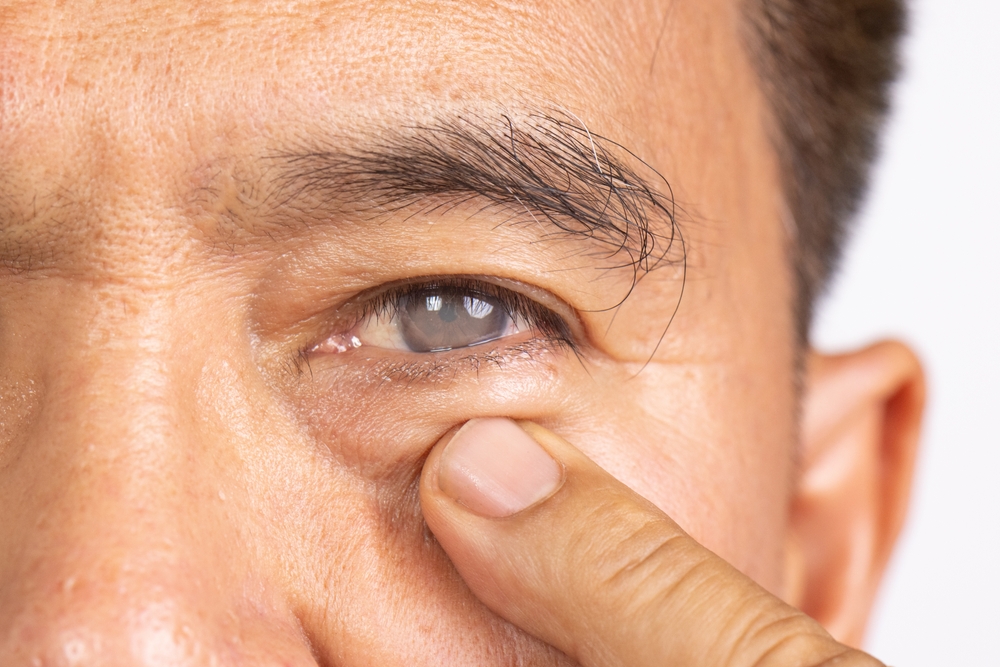
Diabetes affects many parts of the body, including your eyes. While most people are aware of the connection between diabetes and conditions like diabetic retinopathy, fewer realize that diabetes can also significantly increase the risk of developing cataracts. Understanding this link is essential for protecting your vision and maintaining long-term eye health.
What Are Cataracts?
Cataracts occur when the normally clear lens of the eye becomes cloudy, leading to blurred or hazy vision. This clouding can interfere with daily activities such as reading, driving, and recognizing faces. Cataracts typically develop gradually and are often associated with aging, but certain medical conditions - including diabetes - can cause them to form earlier or progress more quickly.
Common symptoms of cataracts include:
Blurry or cloudy vision
Increased sensitivity to light or glare
Difficulty seeing at night
Colors appearing faded or yellowed
Frequent changes in eyeglass or contact lens prescriptions
How Diabetes Contributes to Cataract Formation
People with diabetes are at a higher risk of developing cataracts due to consistently elevated blood sugar levels. Excess glucose in the bloodstream can enter the eye’s lens, where it is converted into a substance called sorbitol. Sorbitol buildup draws water into the lens, causing swelling, structural changes, and clouding over time.
Additionally, diabetes increases oxidative stress within the eye. This stress damages proteins in the lens, accelerating cataract development and often causing cataracts to appear at a younger age than they would in people without diabetes.
Earlier Onset and Faster Progression
One of the key differences between diabetic and non-diabetic cataracts is timing. Individuals with diabetes tend to develop cataracts earlier in life, sometimes decades sooner than expected. Once cataracts begin forming, they may also progress more rapidly, leading to noticeable vision changes in a shorter period of time.
Poorly controlled blood sugar levels further increase this risk. The longer diabetes goes unmanaged, the greater the likelihood of eye complications - including cataracts that interfere with vision and quality of life.
Other Eye Conditions Linked to Diabetes
Cataracts are just one of several eye conditions associated with diabetes. Others include:
Diabetic retinopathy
Diabetic macular edema
Glaucoma
These conditions can occur alongside cataracts, making regular eye exams especially important for individuals with diabetes. Detecting issues early allows for more effective treatment and better long-term outcomes.
Why Regular Eye Exams Matter
For individuals with diabetes, routine eye exams are critical - even if no vision changes are noticed. Cataracts and other diabetic eye conditions can develop silently, and early detection allows for timely intervention. At Loman Eye Care, medical eye exams help monitor changes in your vision and eye health, ensuring potential issues like cataracts are identified early and managed effectively.
Protect Your Sight with Loman Eye Care
Diabetes can significantly increase your risk of developing cataracts, often causing them to appear earlier and progress faster. The good news is that proactive diabetes management and regular eye exams can help protect your vision and reduce complications.
If you have diabetes or are experiencing changes in your vision, schedule an eye exam with Loman Eye Care today. Visit our office in Carmel, Indiana, or call (317) 844-7474 to book an appointment.


| Monday | 9:00 AM - 6:00 PM |
| Tuesday | 9:00 AM - 5:00 PM |
| Wednesday | 11:00 AM - 7:00 PM |
| Thursday | 11:00 AM - 5:00 PM |
| Friday | 9:00 AM - 5:00 PM |
| Select Saturdays Please call for availability | 9:00 AM - 1:00 PM |
| Sunday | Closed |
